

The Jobs Robots Created That Didn't Exist 10 Years Ago
The standard narrative about robots and jobs runs in one direction: robots take jobs. The counter-narrative — robots create jobs — is equally real and considerably less reported. This article documents the specific new professions that have emerged directly from robot adoption, the salary ranges they command, and why they matter for understanding where the labour market is actually heading.
This is not an argument that robot job creation cancels out displacement. It is a factual account of what's new. See which existing jobs face the highest risk →
WATCH THE VIDEO
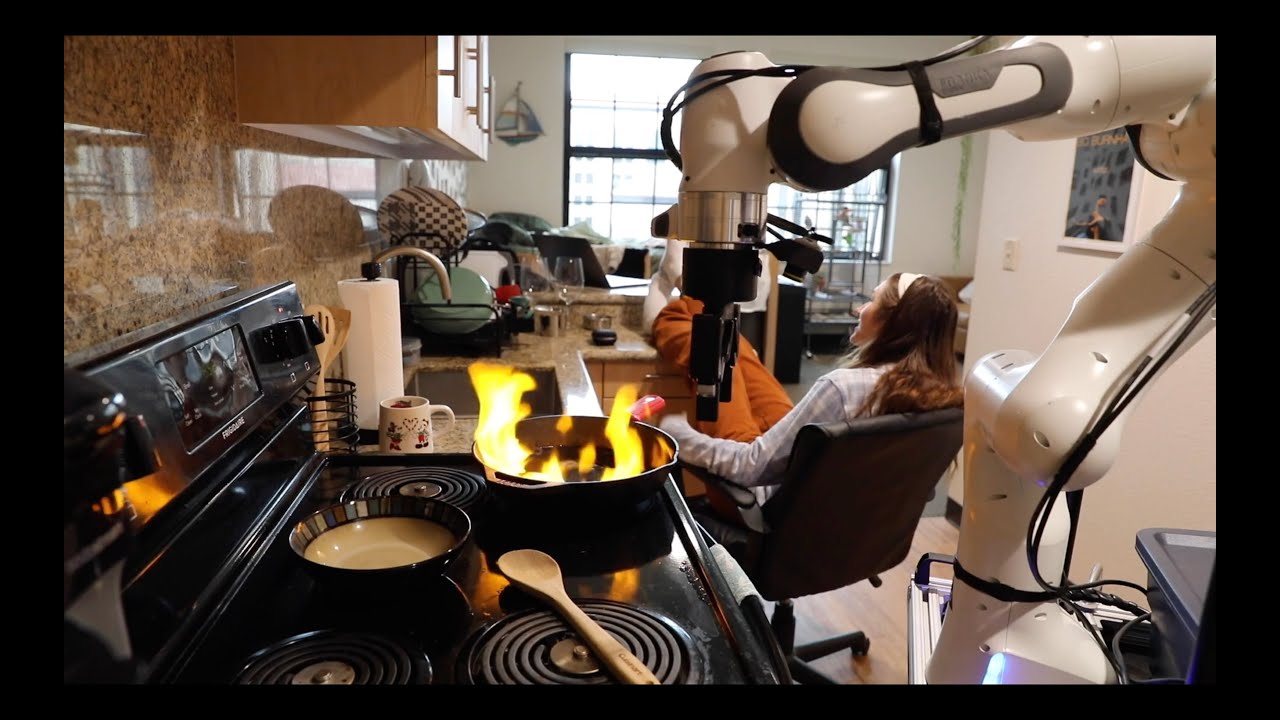
The New Jobs, Documented
Robot Fleet Technician
The fastest-growing robot-adjacent job title in US manufacturing and logistics. A robot fleet technician maintains, repairs, diagnoses, and calibrates the robotic systems in a facility. As Amazon, DHL, and major manufacturers operate fleets of hundreds or thousands of robots, the demand for people who can keep those fleets running has grown in direct proportion.
Median salary: $52,000–$78,000. Required skills: mechanical aptitude, basic programming, sensor diagnostics. Growth rate: estimated 35% over the next five years (BLS, 2024 projections).
Autonomous Systems Safety Operator
Self-driving vehicle programmes — whether autonomous trucks on highways or delivery robots on campuses — require human safety operators who monitor system performance, intervene in edge cases, and oversee regulatory compliance. Waymo, Nuro, Starship Technologies, and every major autonomous vehicle programme employs teams in this role.
Median salary: $45,000–$65,000. Required skills: situational awareness, system monitoring, incident reporting.
Robot Training Data Annotator
Every robot that learns from demonstration requires humans to generate, label, and quality-control the training data those robots learn from. Figure AI, 1X Technologies, and Apptronik all employ large annotation teams. The physical AI equivalent of the text annotation roles that built large language models.
Median salary: $35,000–$55,000. Entry-level accessible. High demand driven by the humanoid robot training data arms race currently underway.
Drone Operations Coordinator
Commercial drone programmes — delivery, inspection, agricultural surveying, emergency response — require coordinators who manage flight plans, regulatory compliance, airspace clearance, and fleet scheduling. The FAA's Part 107 certification has created a defined professional pathway.
Median salary: $55,000–$85,000 depending on sector.
Humanoid Deployment Engineer
The newest and fastest-growing role on this list. As companies like Agility, Figure, Boston Dynamics, and Apptronik move from pilot to commercial deployment, they need engineers who sit between the robot manufacturer and the customer — configuring robots for specific facility workflows, training the systems on site-specific tasks, and managing the integration with existing operations.
Median salary: $90,000–$140,000. Currently an extreme seller's market — more roles than qualified candidates.
Robot Rehabilitation Specialist
An emerging healthcare-adjacent role: specialists who work with patients using robotic rehabilitation devices — exoskeletons, robotic therapy arms, gait training systems — to guide treatment protocols and interpret system data.
Median salary: $65,000–$95,000.
The Pattern: Robots Create Skilled Jobs, Displace Unskilled Ones
The new jobs created by robot adoption are, almost without exception, higher-skilled and higher-paid than the jobs they accompany or replace. A robot fleet technician earns more than the assembly line worker whose station the robot now occupies. A humanoid deployment engineer earns more than the warehouse workers the humanoid eventually assists.
This is the pattern economists call skill-biased technological change — a consistent feature of automation throughout industrial history. The loom created textile engineers and pattern designers while displacing hand weavers. The ATM created more bank teller jobs (by making branch banking cheaper) while displacing the specific transaction-processing tasks tellers performed.
The critical question is not whether new jobs emerge — they do — but whether the workers displaced by automation can access the new jobs created. A 55-year-old toll booth operator and a 25-year-old robotics engineering graduate are not interchangeable. The transition problem is real even when the net employment arithmetic is neutral or positive.
WATCH THE VIDEO

What This Means for Career Planning
Adjacent to robots, not competing with them. The people who maintain, deploy, train, and supervise robots are insulated from robot displacement by definition. The demand for these roles scales directly with robot adoption.
In the complexity layer above robot capability. Robots handle the repeatable core of tasks. The human judgment layer — edge cases, exceptions, quality oversight, client interaction — becomes more concentrated and more valued as the routine work automates.
In sectors where human presence is structurally valued. Healthcare, education, law, creative work — sectors where the human element is part of the service, not incidental to it. Which jobs score lowest on the Geppetto Jobs Index? →
WATCH THE VIDEO
Frequently Asked Questions
What new jobs have robots created?
The most established new robot-adjacent job categories include robot fleet technician, autonomous systems safety operator, robot training data annotator, drone operations coordinator, humanoid deployment engineer, and robot rehabilitation specialist. Each has emerged directly from commercial robot adoption and has defined salary ranges and career pathways.
Do robots create more jobs than they destroy?
The honest answer is that economists genuinely disagree. The McKinsey Global Institute, OECD, and MIT economists studying automation reach different conclusions depending on methodology and time horizon. What is consistently observed is that automation creates higher-skilled, higher-paid jobs while displacing lower-skilled, lower-paid ones.
What skills should I develop to work in robotics?
The most transferable skills for robot-adjacent careers are mechanical and electrical troubleshooting, basic programming (Python is the most common language in robotics applications), sensor systems and data interpretation, and operational process management.
Is working with robots a stable career?
Robot-adjacent roles — technician, deployment engineer, safety operator — are among the most stable careers you can enter right now. The demand for these roles grows directly with robot adoption, which is accelerating. The specific skills required will evolve as robot technology evolves, but the fundamental need for humans to maintain, deploy, and supervise robotic systems is structurally durable.
Data sources: BLS Occupational Employment Statistics 2024; BLS 2024 employment projections; IFR World Robotics 2025; industry salary data. Last updated: March 2026.