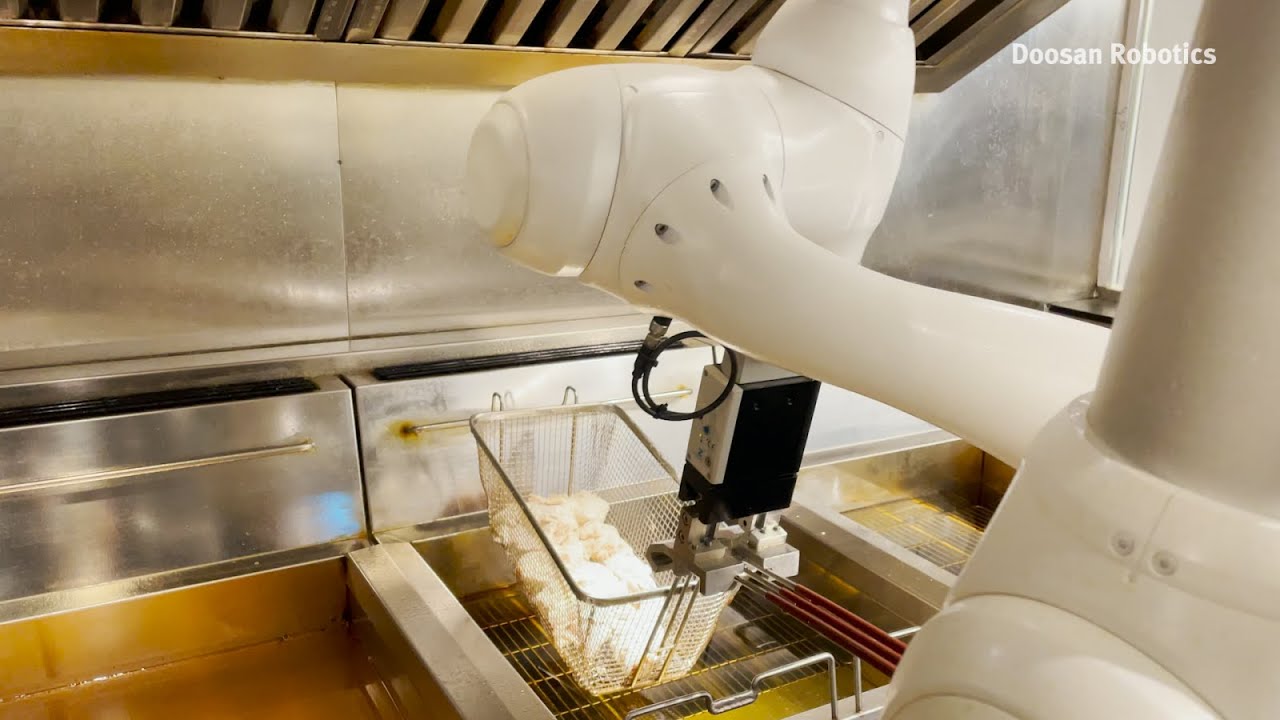

What Is a Cobot?
A collaborative robot — cobot — is a robot designed to operate in direct physical proximity to human workers, without requiring a full safety cage between them. The formal definition comes from ISO/TS 15066:2016, the international technical specification governing human-robot collaboration: a cobot is an industrial robot operating in a collaborative workspace, where the robot and a human can share the same physical space simultaneously.
That sounds straightforward. The engineering implications are not.
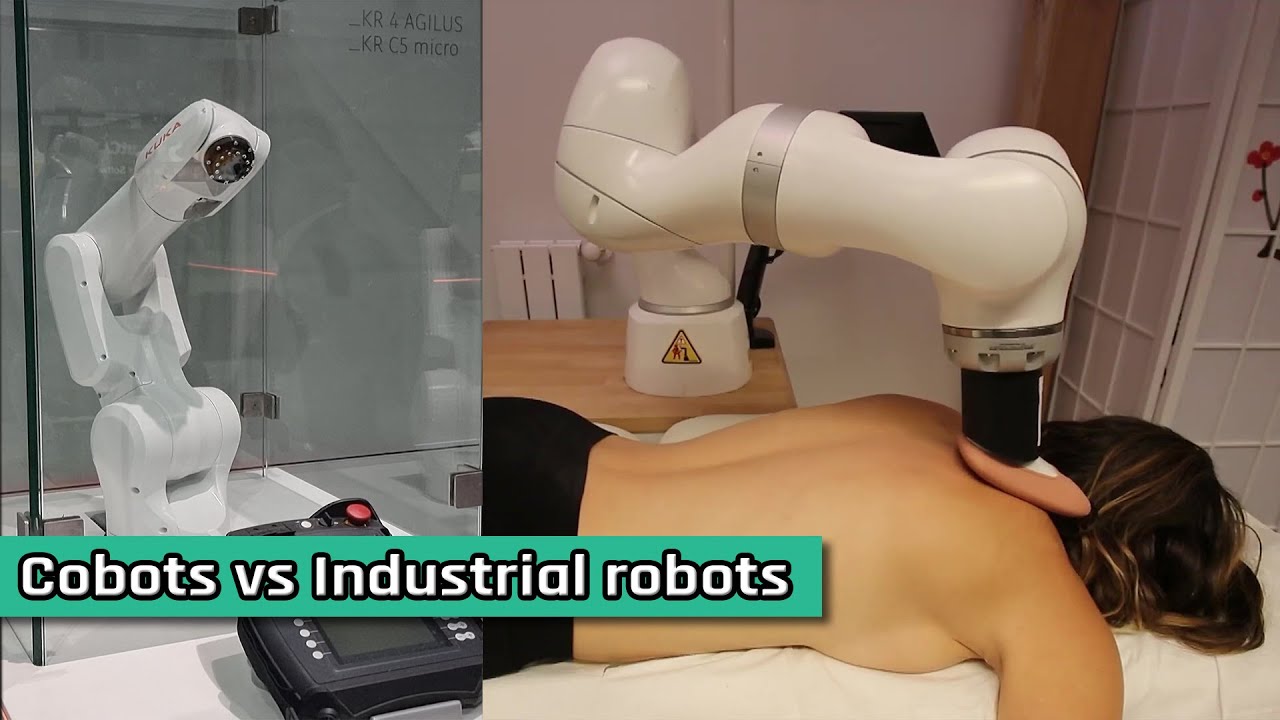
A traditional industrial robot — a six-axis arm bolted to the floor of a car plant — operates in a fenced cell. When a human enters, the robot stops. The robot is fast, powerful, and indifferent to what's in its way. A cobot is different at a fundamental level: it is designed to detect and respond to contact with a human body, stop before injury occurs, and resume operation when the human moves clear. It achieves this through a combination of force/torque sensors, joint-level torque monitoring, speed limits, and rounded geometry with no pinch points.
This is not just a software setting on an ordinary robot. It is a different engineering architecture — one that trades raw speed and payload for the ability to share a workspace. The UR5e, for example, operates at peak speeds its joint torque limits would prevent it from reaching unsafely. The safety functions are built into the hardware, not bolted on afterwards.
The practical difference for manufacturers: no safety fence means a cobot can be deployed on the production floor next to existing workers, retrained in hours, and moved to a new task without facility reconstruction. For SMEs that cannot afford the floor space or capital cost of a traditional robot cell, this changes the economics of automation entirely.
Geppetto tracks 15 collaborative robot models in its industrial-lite category — the most comprehensive cobot comparison database available to consumers.
The 4 Types of Human-Robot Collaboration (ISO/TS 15066)
ISO/TS 15066 defines not one but four distinct modes of human-robot collaboration. They are not interchangeable, and understanding which mode a given cobot application uses changes how you assess its safety case.
1. Safety-Rated Monitored Stop The robot halts whenever a human enters the collaborative workspace and resumes only when the human leaves. This is the simplest mode — the robot is not truly working alongside the human at the same time. It is primarily used for tasks where a human needs occasional access to the robot's workspace (loading parts, quality inspection) without full workflow integration.
2. Hand Guiding A human physically takes hold of the robot arm and guides it to a position or through a path. The robot records the motion for later autonomous playback. This is the basis for the intuitive "teach by demonstration" programming that makes cobots like the UR5e accessible to non-engineers. The robot's force sensors prevent it from resisting the human's guidance input.
3. Speed and Separation Monitoring The robot and human operate simultaneously in the shared workspace, but the robot continuously monitors the distance between itself and the human. As a human approaches, the robot slows. Below a minimum separation threshold, it stops. This requires external sensing infrastructure — typically laser scanners or 3D cameras — to track human position in real time.
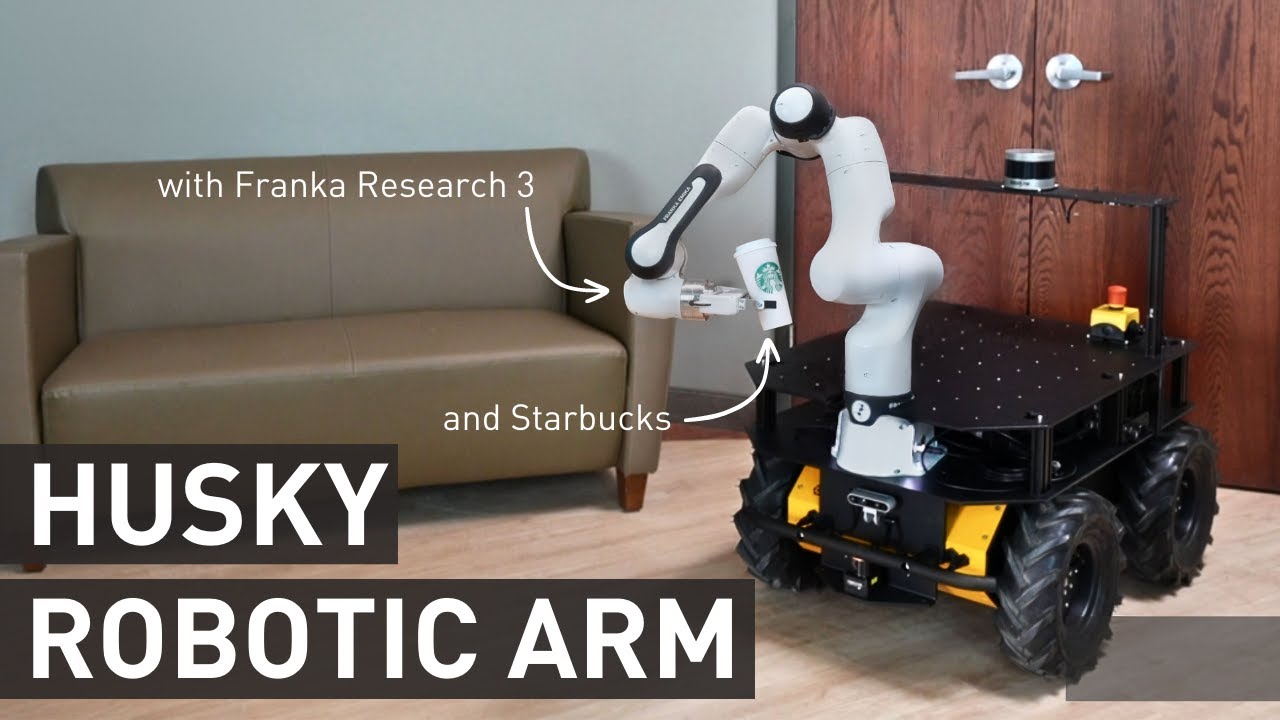
4. Power and Force Limiting (PFL) The most sophisticated mode, and the one most people mean when they say "cobot". The robot can make contact with a human and is designed to limit the force and pressure of that contact to biomechanically safe thresholds defined in the standard. PFL requires validated force/torque sensing throughout the robot's structure. The KUKA LBR iiwa and Franka Research 3 are purpose-built for this mode; their joint-level torque sensing is integral to the design.
Most cobot deployments use PFL in combination with safety-rated monitored stop or speed and separation monitoring depending on the task phase. A risk assessment under ISO 10218 and ISO/TS 15066 is required before deployment — the cobot design enables collaboration; the installation-specific risk assessment makes it legal and safe.
WATCH THE VIDEO
WATCH THE VIDEO
UR5e Robot Demonstration

See the UR5e in action and how it operates safely alongside human workers.
Key Cobot Specs That Actually Matter
Cobot datasheets are full of numbers. These are the ones that determine whether a cobot fits your application.
Payload (kg) The maximum weight the robot can handle at full reach, including the end effector (gripper, tool, sensor). A 5kg payload cobot with a 1kg gripper has 4kg of usable capacity. Most general-purpose cobots sit between 3kg and 16kg. Match this to your part weight plus tooling.
Reach (mm) The maximum radial distance from the robot base to the tool mounting point. A cobot with 850mm reach can cover a roughly 1.7m diameter workspace. Compare this to your workstation footprint. The UR5e offers 850mm reach at 5kg payload; the UR10e extends to 1300mm at 12.5kg for larger workstations.
Force Sensing and Sensitivity For PFL applications, the threshold at which the robot detects contact and stops is critical. More sensitive is not always better — overly sensitive settings cause nuisance stops during normal operation. Look for configurable force thresholds and validated compliance with ISO/TS 15066 biomechanical limits.
IP Rating For food processing, pharmaceutical, or wet environments, the ingress protection rating determines whether the cobot can be cleaned down or exposed to liquid. The UR5e is rated IP54 (dust and splash resistant). Applications in food production or cleanrooms may require IP67 or higher.
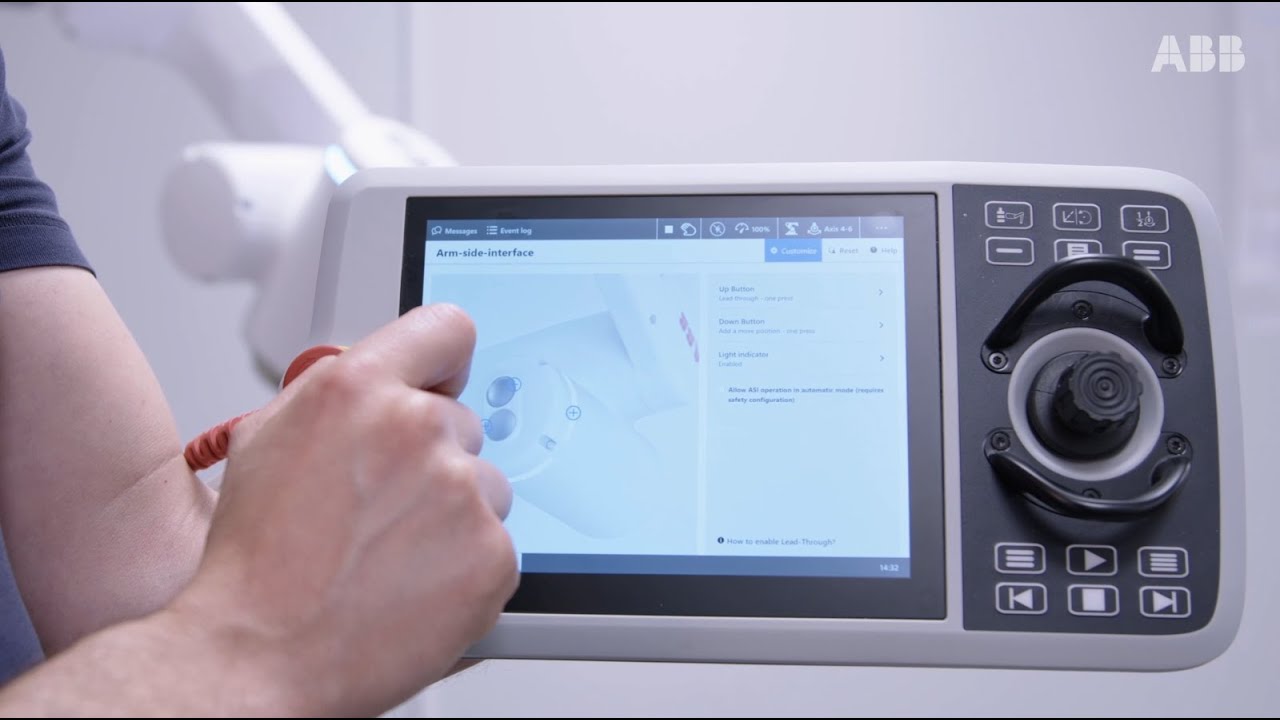
Programming Interface This is underweighted in most buying decisions and overweights deployment success. Cobots with intuitive teach pendants or tablet interfaces — Universal Robots' Polyscope, Fanuc's zero-programming CRX interface — dramatically reduce the time from installation to running production. Cobots aimed at research applications, like the Franka Research 3, prioritise programmatic control via ROS over shopfloor ease of use. Know which you need.
Ecosystem (End Effectors and Software) Universal Robots' UR+ marketplace lists over 400 certified plug-and-play accessories. ABB GoFa's SafeMove2 safety software integrates directly with ABB's broader automation platform. Ecosystem depth reduces integration cost and time; it compounds over multiple deployments.
WATCH THE VIDEO
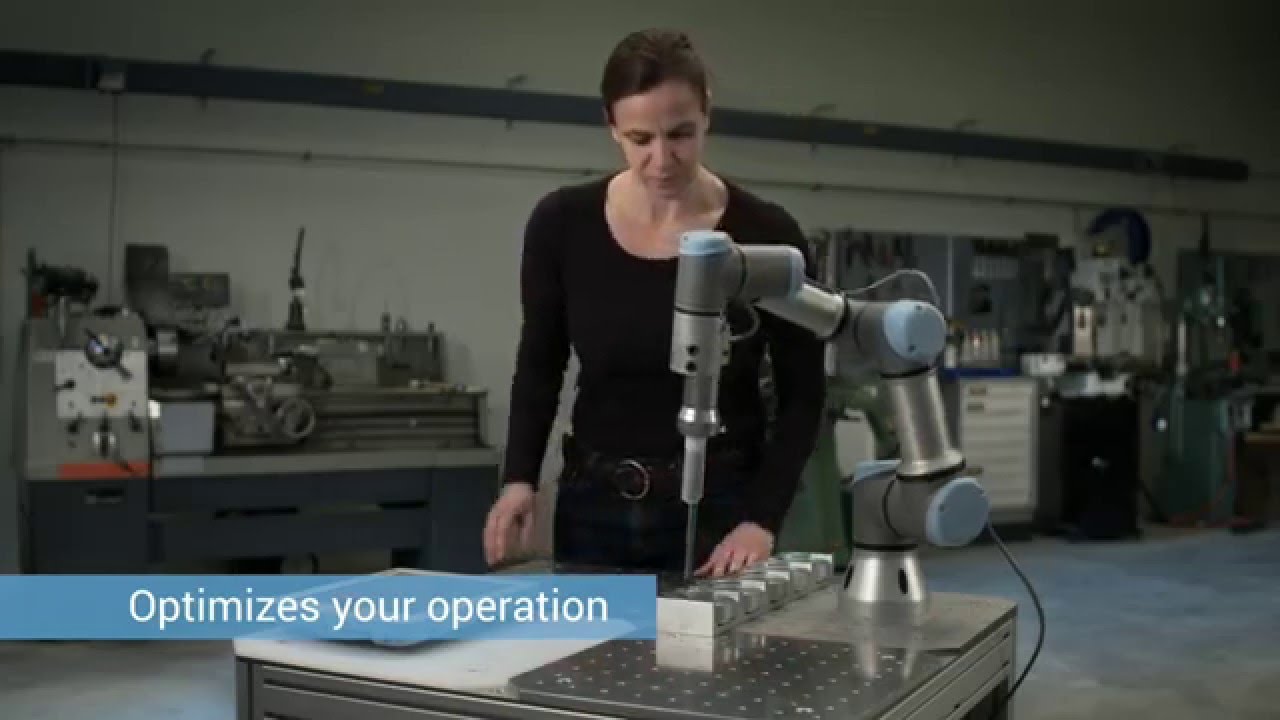
Understanding Human-Robot Collaboration
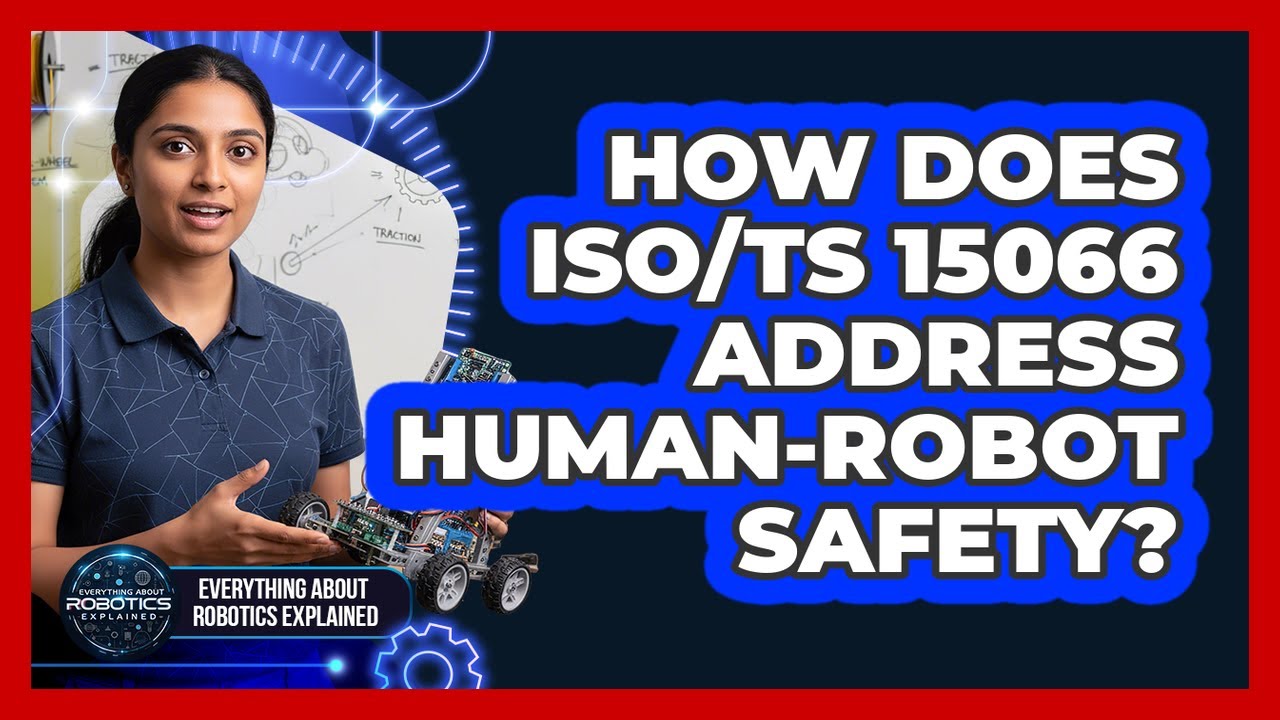
Explore the four modes of human-robot collaboration defined by ISO/TS 15066.
Cobot Comparison: UR5e vs Fanuc CRX vs ABB GoFa vs KUKA iiwa
| Model | Payload | Reach | Typical Price Range | Best For |
|---|---|---|---|---|
| UR5e | 5 kg | 850 mm | $35,000–45,000 | SME general-purpose, first deployment |
| UR10e | 12.5 kg | 1,300 mm | $45,000–55,000 | Larger assembly, palletising |
| UR3e | 3 kg | 500 mm | $25,000–35,000 | Benchtop, electronics, tight workstations |
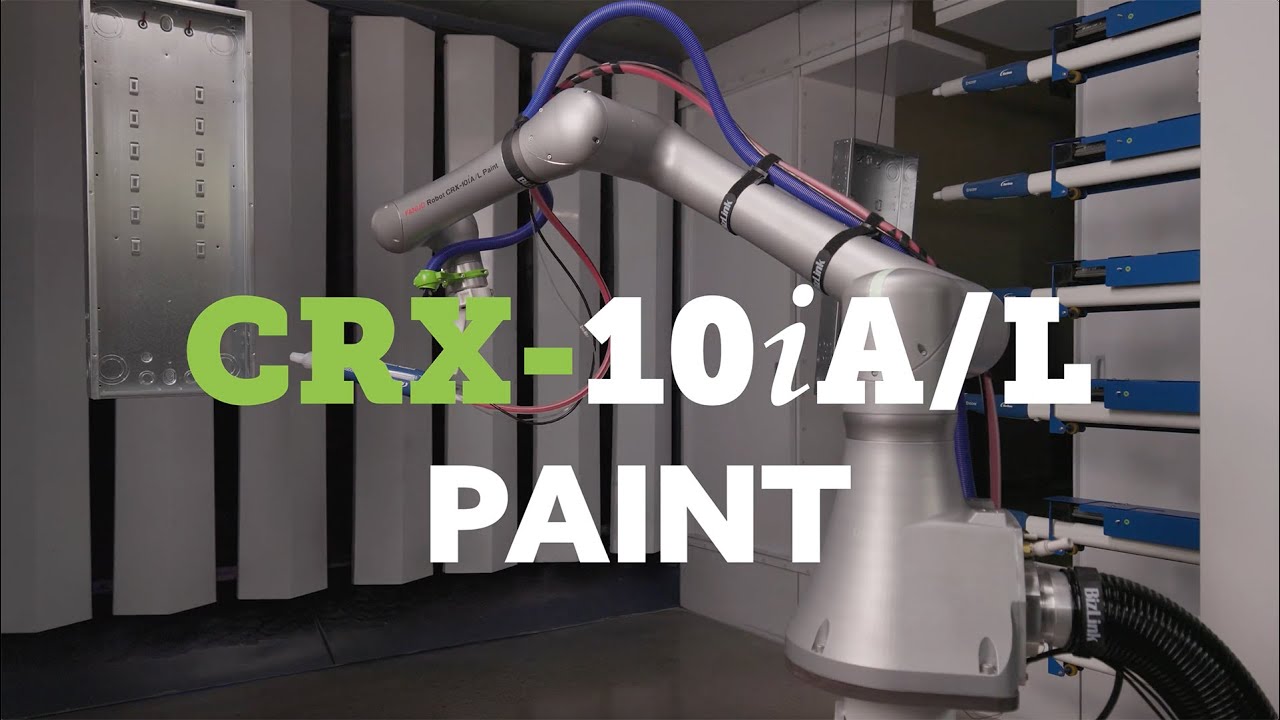
| Fanuc CRX-10iA | 10 kg | 1,249 mm | $40,000–55,000 | High-precision, Fanuc ecosystem users |
| ABB GoFa CRB 15000 | 5 kg | 950 mm | $40,000–55,000 | SafeMove2 integration, ABB ecosystem |
| KUKA LBR iiwa 14 | 14 kg | 820 mm | $60,000–90,000 | Research, medical, high-sensitivity PFL |
| Doosan M0609 | 6 kg | 900 mm | $35,000–45,000 | Mid-market, value alternative to UR |
Prices are indicative list prices. Integration, tooling, and installation add 50–100% to robot unit cost in a typical deployment.
For direct model comparisons: UR5e vs Fanuc CRX-10iA · UR5e vs UR10e · ABB GoFa vs KUKA iiwa
WATCH THE VIDEO
WATCH THE VIDEO
WATCH THE VIDEO