

Will Robots Replace Delivery Drivers? The Honest Answer for 2026
"Will robots replace delivery drivers?" is one of the most-searched job displacement questions on the internet — and most answers are either dismissively reassuring or vaguely alarming without being specific about what is actually happening. This article gives a direct answer grounded in IFR deployment data, not speculation. Explore the full Jobs Index →
WATCH THE VIDEO

The Geppetto Job Impact Score
Last-Mile Delivery Driver: 68/100 — High Risk
| Score Component | Rating | What It Means |
|---|---|---|
| O*NET Task Automation Rate | High | Route navigation, package scanning, vehicle operation — all automatable |
| IFR Deployment Reality | 7/10 | Commercial deployment at scale in specific contexts, growing |
| Oxford Automation Score | 94/100 | One of the highest-scoring occupations in the Frey & Osborne dataset |
| Geppetto Robot Density | 6/10 | Multiple commercial robot platforms specifically targeting this role |
| Composite Score | 68/100 | High risk — displacement underway in specific contexts |
Source: Geppetto Robot Jobs Index, March 2026.
What Robots Are Already Doing
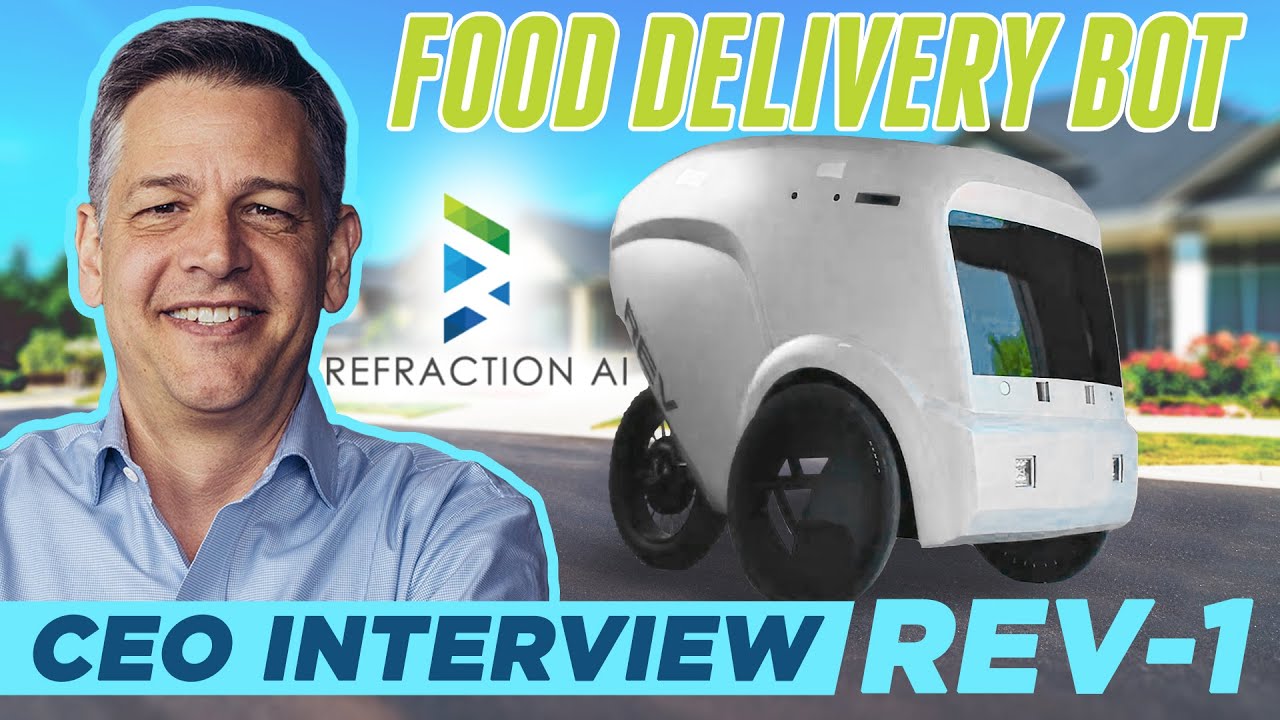
Campus and suburban sidewalk delivery. Starship Technologies has completed over 7 million autonomous deliveries across university campuses and suburban neighbourhoods. Universities including George Mason, Purdue, and the University of Pittsburgh have Starship fleets operating daily.
Urban autonomous vehicle delivery. Nuro's autonomous delivery vehicles operate commercial programmes in several US cities, handling grocery and restaurant delivery in defined service areas.
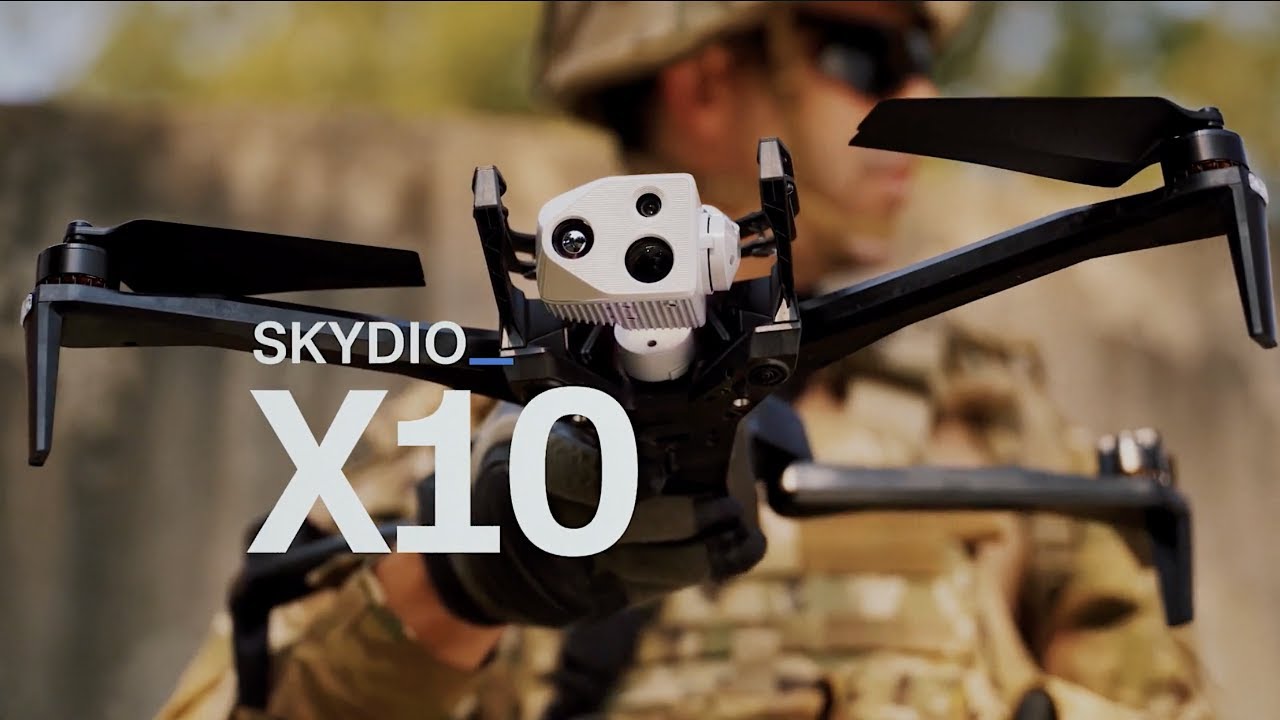
Drone delivery. Amazon Prime Air operates commercial drone delivery in College Station, Texas and Lockeford, California. Wing (Google's drone delivery subsidiary) delivers in the Dallas-Fort Worth area and in Brisbane, Australia. Zipline operates commercial drone delivery for healthcare supplies across Ghana, Rwanda, Nigeria, and several US health systems.
WATCH THE VIDEO

What Robots Cannot Yet Do
Dense urban environments. Traffic, pedestrians, cyclists, double parking, building access, and the unpredictability of city streets remain challenging for autonomous vehicles.
Complex access situations. Delivering to a third-floor flat with a non-functional lift, a business requiring signature and ID verification, or a household with a specific secure location preference requires human judgment.
Adverse weather beyond defined parameters. Current sidewalk robots and drone delivery systems have operating envelopes — they pause in heavy rain, high wind, or snow.
The Honest Timeline
Now (2026): Delivery robots are replacing human drivers at scale in campus environments, suburban sidewalk delivery, and rural drone delivery. These are genuine commercial deployments, not pilots.
2027–2028: Autonomous vehicle delivery expands in lower-density US cities. Drone delivery reaches more markets as regulatory frameworks mature.
2029–2030: First meaningful displacement of human drivers in urban grocery and restaurant delivery in early-adopter markets.
2030+: Broader urban displacement as AV technology reliability improves and regulatory frameworks catch up with capability.
WATCH THE VIDEO
Frequently Asked Questions
Are robots replacing delivery drivers right now?
Yes, in specific contexts. Starship Technologies has completed over 7 million commercial deliveries using sidewalk robots. Amazon Prime Air, Wing, and Zipline operate commercial drone delivery programmes. These are contracted commercial services, not experiments.
What is the Geppetto Job Impact Score for delivery drivers?
Last-mile delivery drivers score 68/100 on the Geppetto Robot Jobs Index — placing them in the high-risk band. The score reflects a high Oxford automation susceptibility score (94/100), an IFR deployment reality rating of 7/10, and a Geppetto robot density score of 6/10.
When will robots replace most delivery drivers?
Broad urban displacement of human delivery drivers is a mid-term scenario — meaningful at scale by 2028–2030 in early-adopter markets. Campus and suburban environments are already seeing displacement now. Dense urban last-mile delivery remains predominantly human in 2026.
What types of delivery jobs are safest from robots?
Dense urban environments with complex access requirements, B2B delivery with ongoing customer relationships, deliveries requiring ID verification, and temperature-sensitive pharmaceutical delivery requiring human chain-of-custody.
Can delivery drones really do this at scale?
Commercial drone delivery is operational at scale in specific contexts. Zipline delivers healthcare supplies to 8,000+ health facilities across Ghana, Rwanda, Nigeria, and US health systems. Wing delivers retail and restaurant orders in Dallas-Fort Worth and Brisbane. The scale is real; the geographic coverage remains limited.
What skills should delivery drivers develop now?
Autonomous vehicle monitoring and supervision, logistics software and fleet management platforms, warehouse automation operations, and customer service in complex delivery contexts.
WATCH THE VIDEO
Data sources: Geppetto Robot Jobs Index (March 2026); IFR World Robotics 2025; Starship Technologies deployment data; FAA commercial drone operations data. Last updated: March 2026.