

The Shift to Human-Centric Automation
As we move through August 2026, the industrial world has moved beyond the experimental phase of general-purpose robotics. The conversation has shifted from "if" humanoids will enter the workspace to "which" model best serves the needs of a collaborative, high-efficiency environment. At the forefront of this evolution are two distinct yet powerful contenders that have redefined productivity in logistics and manufacturing: the Agility Robotics Digit v5 and the Xpeng IRON.
This era of automation is characterized by a positive transformation of the global workforce. Rather than replacing the human element, these sophisticated machines are stepping into roles that were previously associated with high physical strain and repetitive motion. By taking on the heavy lifting—both literally and figuratively—these robots allow human team members to transition into supervisory and strategic roles, fostering a workplace culture centered on innovation and safety. In this head-to-head comparison, we analyze how the latest iterations of these robots stack up against one another in real-world applications.
Mobility and Form Factor: Engineering for Purpose
The Agility Robotics Digit v5 continues to refine the digitigrade leg design that made its predecessors famous. In the 2026 landscape, the v5 model has achieved a level of stability that allows it to navigate narrow warehouse aisles and cluttered loading docks with unparalleled grace. Its unique leg structure is specifically optimized for "to-and-fro" movement, making it the ideal partner for moving totes from conveyor belts to palletizing stations. The compact footprint of the v5 ensures that it can work alongside humans without requiring the expensive facility retrofitting that older, bulkier automation systems once demanded.
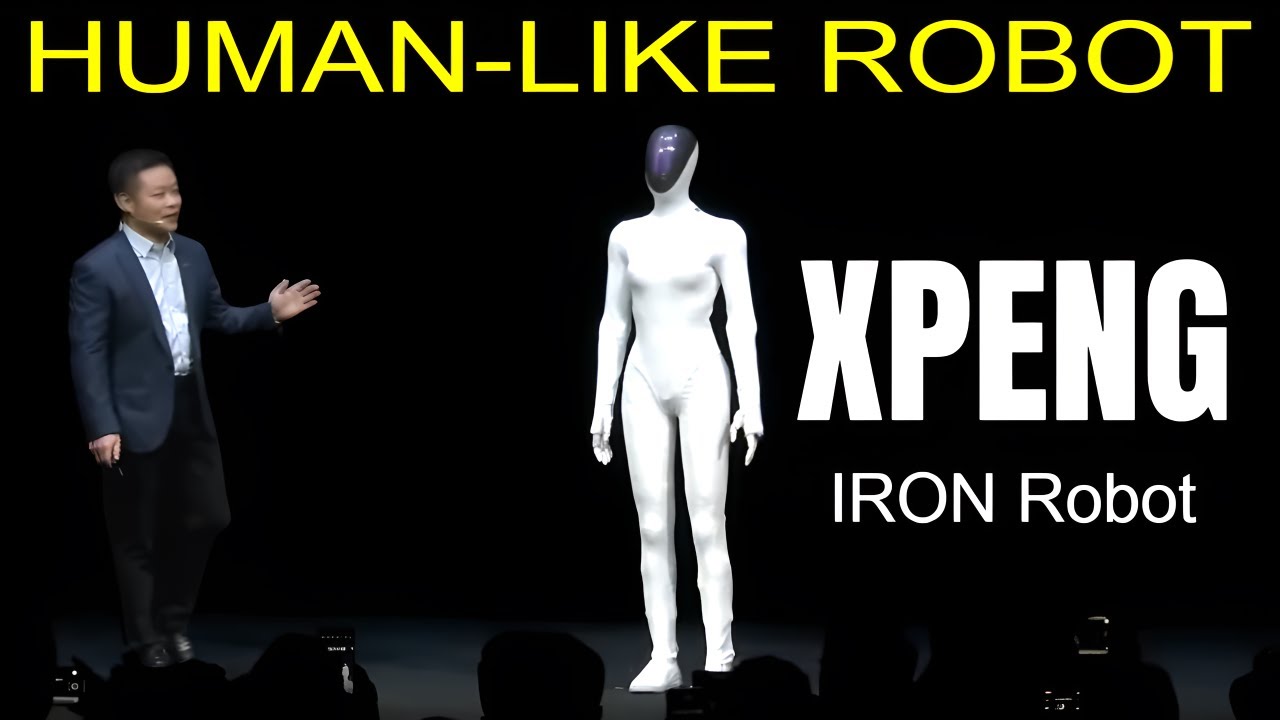
In contrast, the Xpeng IRON takes a more traditionally humanoid approach. Leveraging the manufacturer's extensive background in electric vehicle mobility and sensor fusion, the IRON is designed with a more robust, bipedal stance that mimics human proportions more closely. While the Digit v5 excels in the rapid, shuffling movements of a logistics hub, the IRON is built for the steady, high-precision environments of an automotive assembly line. Its actuators are designed for high-torque tasks, allowing it to maintain perfect balance even when handling components that require a delicate yet firm touch. This makes the IRON a standout choice for facilities where the robot must interact with stationary machinery designed for human reach and height.
Intelligence and Integration: The AI Advantage
Software is the heartbeat of 2026 robotics, and both machines showcase the incredible leaps made in machine learning over the last few years. The Xpeng IRON benefits immensely from the proprietary Turing chip architecture, which allows it to process visual and haptic data in real-time. This "brain" enables the IRON to learn new tasks through observation, a feature that has significantly reduced the onboarding time for new units in smart factories. When a human technician demonstrates a task, the IRON can analyze the motion paths and replicate them with 99.9% accuracy, ensuring a seamless hand-off between biological and mechanical team members.
The Agility Robotics Digit v5 utilizes a highly specialized logistics operating system that prioritizes fleet coordination. In a warehouse setting, Digit v5 units don't just work in isolation; they communicate with one another to optimize traffic flow and ensure that no single robot is over-leveraged while others sit idle. The v5’s vision system is tuned specifically for the recognition of standard shipping containers, barcodes, and warehouse obstacles. This specialized focus makes it incredibly reliable in high-throughput environments where speed and reliability are the primary metrics of success. The integration of the v5 into existing warehouse management systems is virtually plug-and-play, reflecting Agility's commitment to making automation accessible to businesses of all sizes.
Performance Metrics: Payload and Endurance
When we look at the raw specifications, the Agility Robotics Digit v5 is a workhorse designed for the 15kg to 20kg payload bracket—the sweet spot for most retail and e-commerce fulfillment tasks. Its battery life has seen a 30% improvement over previous versions, now allowing for nearly a full eight-hour shift on a single charge, with rapid-swap capabilities that keep the fleet moving 24/7. This consistency provides a reliable baseline for warehouse managers to plan their daily operations around, knowing that their mechanical partners are ready to support the team whenever the demand spikes.
The Xpeng IRON, while slightly heavier in its overall build, offers a higher peak payload capacity, making it suitable for heavier industrial sub-assemblies. Its 60+ degrees of freedom across the body—particularly in the hands and wrists—give it a level of dexterity that was once thought impossible for a production-scale robot. This dexterity allows the IRON to manage complex tools and fasteners, working in tandem with human specialists who oversee the quality control and final finishing of products. The result is a synergistic relationship where the robot provides the strength and consistency, and the human provides the creative problem-solving and expert oversight.
Strategic Verdict: Matching the Humanoid to Your Workflow
Choosing between these two remarkable machines depends entirely on the specific needs of your facility and your workforce.
The Agility Robotics Digit v5 is the clear winner for logistics-heavy operations. If your goal is to streamline the movement of goods, reduce the physical burden of repetitive lifting on your staff, and increase the speed of your fulfillment cycle, the Digit v5 is the most refined and specialized tool available. Its ability to navigate stairs, ramps, and uneven floors makes it a versatile partner in older facilities that weren't originally designed for automation.
On the other hand, the Xpeng IRON is the premier choice for manufacturing and complex assembly. Its superior dexterity and AI-driven task-learning capabilities make it an asset in environments where the work is varied and requires a high degree of precision. For companies looking to build a "factory of the future" where humans and robots work side-by-side on intricate technical tasks, the IRON offers the power and intelligence necessary to drive that vision forward.
Ultimately, the rise of the Agility Robotics Digit v5 and the Xpeng IRON represents a bright future for the global economy. By embracing these technologies, companies are not just increasing their bottom line; they are creating safer, more engaging, and more sustainable jobs for their people. The humanoid revolution of 2026 is not about the machines—it is about empowering humanity to reach new heights of productivity and well-being.